Bitcoin Tech Talk #289
This newsletter is paid. If you are an open source contributor to Bitcoin projects, please email me to get a complimentary paid subscription.
What I'm working on

Fiat Art - I wrote about postmodern art in some not-so-flattering terms, likening it to fiat money. The main insight in the piece is that art has turned to proof-of-stake from proof-of-work and that’s why it’s so ugly.
Panel on Soft Forks - Given the CTV and Speedy Trial parameters, this is a timely posting of the discussion from Bitcoin 2022. BTC Sessions hosted a panel with me, Jeremy Rubin and Paul Sztorc about soft forks. My conclusion from the talk was that consensus is messy and should be very difficult to get. I’ll have more to say on the OP_CTV stuff later in the newsletter.
Panel on the American Dream - The panel I did during SXSW with Annaliese and CJ is now up on YouTube. We talked about the book and the various voting constituencies that make up Bitcoin. If you’re curious about the book, this is a good overview.
What I'm up to
Justin Rezvani interview - On the heels of the Alex Gladstein interview I did this past week, I have one with Justin, who’s the founder of Zion. The video won’t go live until Thursday, but it was one of the more inspiring ones about being an entrepreneur. He’s also a pretty reflective guy and learning about his life was, as they say in latin memento mori.
London Real interview - I’m scheduled next week to appear on this popular show. I’m not sure when it’ll be released, but it’ll be a chance to explain Bitcoin to the young male audience that the channel has.
Consensus panel - It looks like I’ll be speaking at Consensus 2022 on a Bitcoin only track. I’ll also be speaking about the Bitcoin Today Coalition, which is the lobbying organization that I’m a part of to educate DC lawmakers and regulators.
Tweet of the Week

Bitcoin
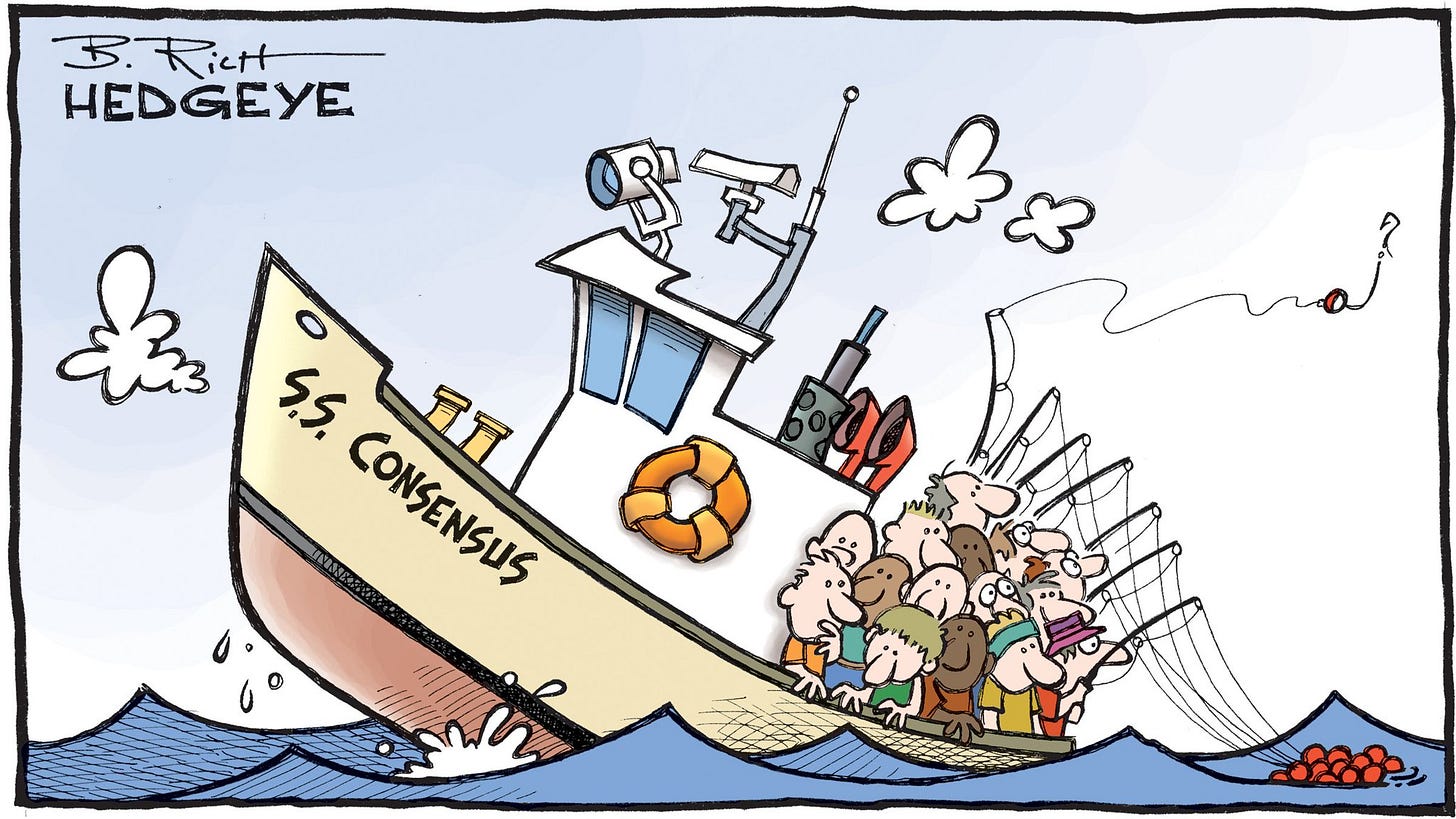
OP_CTV Speedy Trial - Jeremy Rubin has posted his 7 theses on why he has created a OP_CTV client that will start a Speedy Trial activation on May 5th. The trial will run for 3 months to see if 90% of miners will signal for OP_CTV in a two week signaling period. If that threshold is reached, the soft fork would activate around early November. Here’s the problem: OP_CTV is not merged into Bitcoin Core and you need to download Jeremy’s software which has the merge in it to run it.
OP_CTV Q&A - BitMex has published an overview of OP_CTV and a Q&A with Jeremy Rubin. Why is he advocating for a contentious soft fork with Speedy Trial so quickly? Having communicated with him, it seems he believes this is the consensus process and that some form of public declaration one way or the other is needed. Personally, the move seems to be a way to route around the people who don’t like the proposal, though if I understand Jeremy, it’s a way to force the covenants discussion.
Arguments against OP_CTV - Michael Folkson has gathered all the objections to OP_CTV, particularly the Speedy Trial component. He’s also started the URSF movement, which is a form of users resisting the soft fork should miners signal readiness for OP_CTV. The idea would be for user nodes to resist the OP_CTV stuff, though it’s not at this point clear exactly how that would happen. One possible way would be to run software that explicitly rejects blocks that have OP_CTV transactions through rejecting the use of NOP4, which is what OP_CTV would be replacing.
Lightning
RGB vs others - Frederico Tenga describes what the RGB protocol is and how it’s possible to trade non-Bitcoin assets on Lightning. As he explains, it’s a colored coins protocol for transferring assets and RGB gives additional properties like privacy of the UTXOs being sent to. As he points out this is a very similar protocol to Taro, which was released with much fanfare a couple of weeks ago. There’s an open question of whether these two projects will merge.
Torq - Managing capital in a routing node can be pretty tricky, given that one channel might use more capacity than another. Torq is a tool to help in that management. This is a tool specifically for routing nodes to keep track of where the revenues are coming from and optimize based on the data that your node is collecting naturally. I love that the industry is moving toward more specific use cases like this, as routing becomes more viable as a service to run. And you don’t need permission to run it!
Lightning One Sheet - Not a nerd has published a thorough overview of Lightning, how it works and what the benefits are. The post has a lot of good information, including all the companies that are now in the space that are innovating. For investors looking at the ecosystem, this is an excellent primer to start looking into Lightning.
Economics, Engineering, Etc.
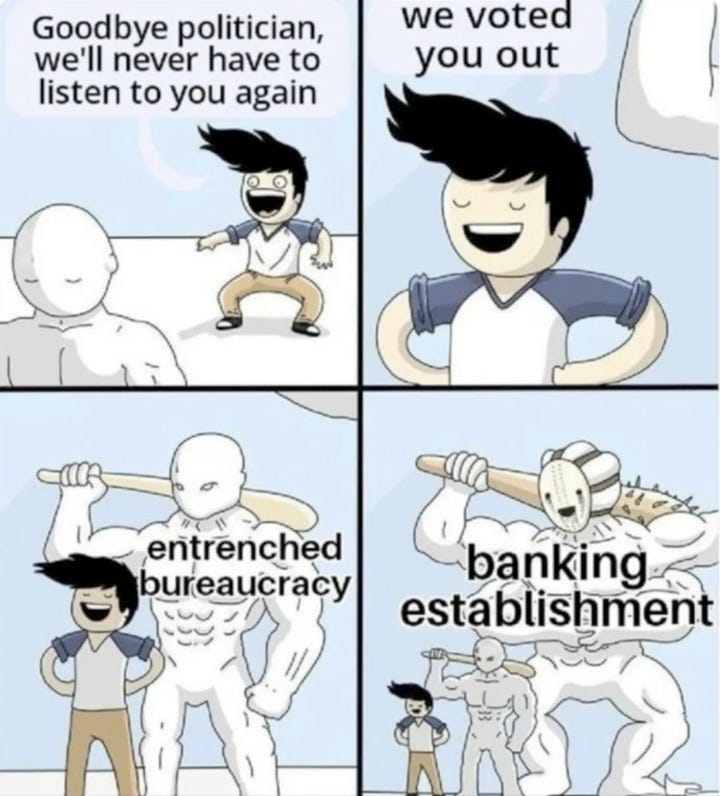
Proof-of-Work history - Braiins explains the history of proof-of-work and why it's an important innovation that can't just get replaced. The post answers questions about why it was developed and how it solves the problem of spam. As they point out, proof-of-work is a desirable cost. If the cost isn’t there, there’s simply going to be a lot more spam. Proof-of-stake doesn’t solve anything as there’s no cost involved. It’s like most government “solutions,” which add government and remove solutions.
IMF doesn’t like Bitcoin - Shocker, I know, but it is progress that they’re acknowledging Bitcoin’s existence. The ostensible reason for their report is the crisis in Ukraine and how they’ve started using Bitcoin for their transactions. The clear implication is that Bitcoin seems to have mucked with the plans of the IMF. It looks like the Ukrainian central bank is also restricting Bitcoin, though that seems to be a much broader move to restrict capital movement generally. The world monetary order is taking notice like conservatives noticing the wokeness of corporations.
Proof-of-Stake problems in ETH - SureSats explains exactly how the proof-of-stake change is changing Ethereum. There’s essentially a staking pool called Lido that now has 88% of the staking share. As they explain, there are strong centralizing effects where people want to go to staking pools with the most share because they’re going to be more liquid. Once the proof-of-stake transition completes, Lido will likely be yet another single-point-of-failure in a really centralized network. This project is more fragile than CSW’s credibility.
Quick Hits
Treasury sanctions Russian Miners - The whole thing is much broader, but it’s interesting to see miners get caught in the net.
Biden nominates Ripple guy - I guess all that money they’ve been throwing around bought them something.
Binance caves to Russia - They gave a bunch of customer data to Russian authorities, which probably means they’ve done so for other governments as well.
Tennessee holders of Bitcoin? - The state is looking into putting into their treasury.
North Koreans behind hack - The Ronin hack was apparently North Korea’s doing. Great, now altcoin stupidity funds genocidal regimes.
Another week, another altcoin hack - This one is called Beanstalk and it was to the tune of $182M.
What I’m Shilling

Unchained Capital is a sponsor of this newsletter. I am an advisor and proud to be a part of a company that’s enhancing security for Bitcoin holders. If you need multisig, collaborative custody or bitcoin native financial services, learn more here.
Fiat delenda est.