
Bitcoin Tech Talk #337
Interesting Stuff
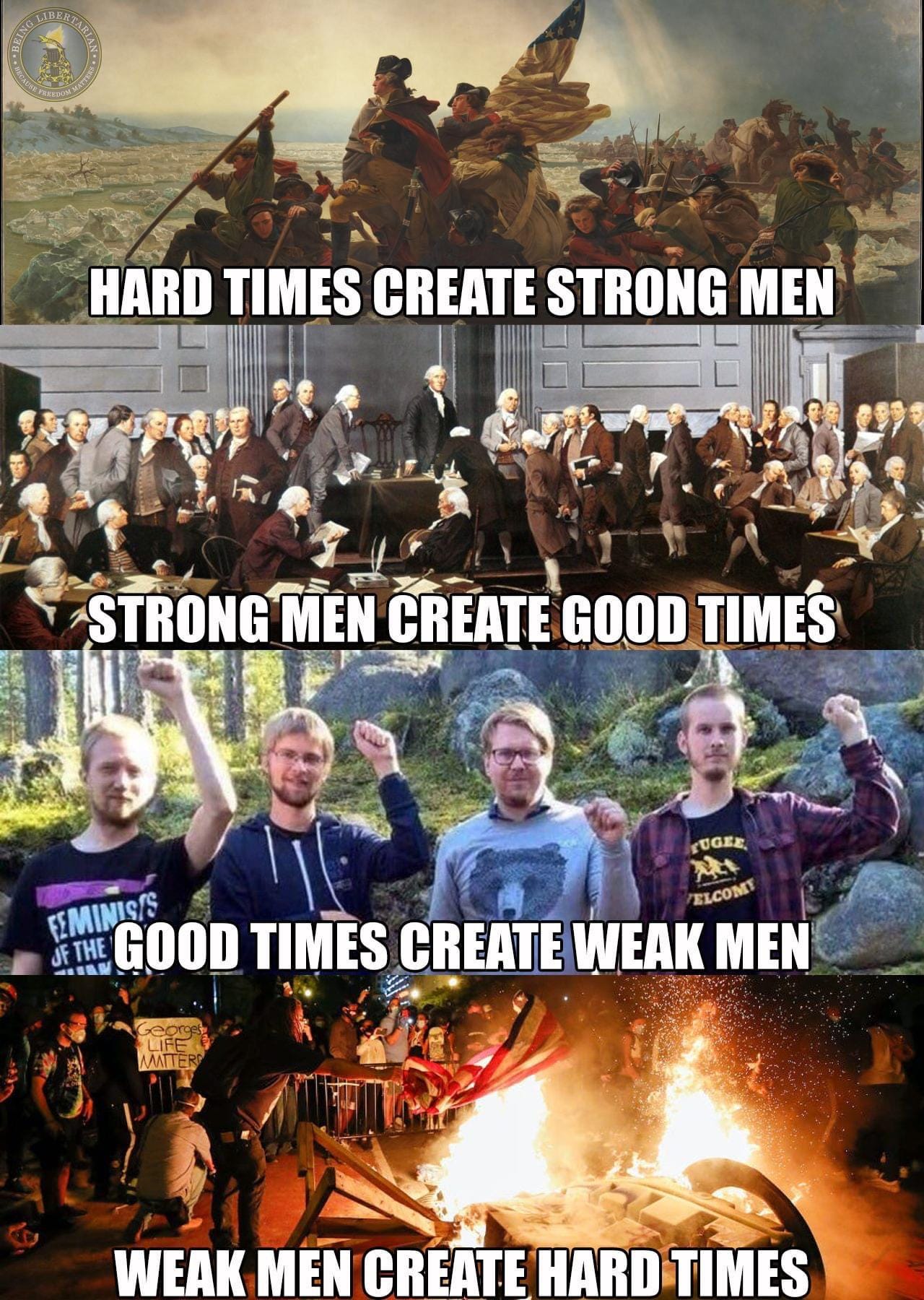
Cyclical History - History tends to be seen by a certain type of person as always moving from worse to better and not really ever regressing. This article puts a kibosh to those sentiments, showing that collapse can and does happen on a frighteningly regular basis. Regression takes over when people do stupid things and the incentives are misaligned. I would say that fiat money is very much like that right now.
War and Politics - The article is about the role of intelligence in war and how information usage has become more and more complex as the sources of information have diversified and digitized. The most interesting part of the article for me was about the political ends of war and how that can’t be solved by technology. No matter how good the intelligence and information quality, unless the goals of a war are clear and the finish line clearly demarcated, war is in essence futile. I suspect that this lack of goals and ends for modern warfare, especially wars of global dollar dominance that the US is engaged in, is a result of the plentitude of fiat money.
Legacy Media Bought with Ads - What a long read on what changed in the legacy media since 2018. In a revealing look, the ratings on the cable news don’t merit the insane cost of ads on those networks. They are all bought by the companies that advertise on them and in effect the Overton window is now controlled by those that fund them. The few people that watch the legacy TV news channels trend much older and their votes are being bought with propaganda. Thankfully, this can’t last much longer as the influential people that anyone under 50 listens to are no longer in legacy media and they’re not easily bought.
What I'm up to

Fighting Fiat - I did a podcast with BitCorner, which is a Spanish language podcast where we talked about a lot of things. The main points of discussion were the fiat system, CBDCs and taking advantage of the opportunities that Bitcoin gives. I also explained why getting out of fiat totally changed my life.
Chiang Mai Meetup - I’ll be doing some sort of steak dinner with Bitcoiners in Chiang Mai. The details aren’t set, but it’ll be April 3, 4 or 5. I’ve really enjoyed meeting Bitcoiners and hanging out with them in this region and will do a good bit of that in the next month.
Taipei and Seoul Meetup - I’ll be traveling to both places in April and I’ll be at their respective meetups. I met a lot of the members of those communities during the Vietnam Lightning conference and we’re going to try to get more Bitcoin-only content in both places.
Nostr Note of the Week

Books I’m Shilling
Bitcoin
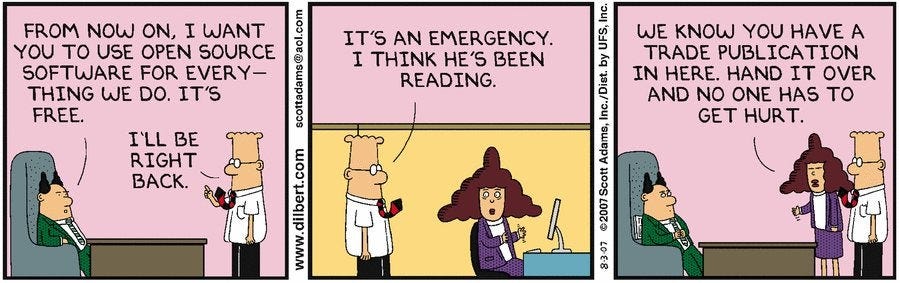
Miniscript Parser - The BitBox devs continue their series on miniscript by creating a Go library for both parsing and compiling Miniscript to Script. The abstract syntax tree that they create is a great way to frame the problem and individually compile each component. If you want to understand how miniscript compiles under the hood and making the most efficient smart contract, this is a great post to understand it.
Open Source Miner - This is a single chip miner that’s getting 400 GH/s on only 12.5W of power. It’s using Bitmain’s 1394 chip and surprisingly is comparable to the Antminer S19j, which gets 120 TH/s on 3300W of power. I’m not sure how much of an appetite Bitmain has to produce just the chips and selling them to hardware afficianados, but this has the potential to add a lot more manufacturers to the market. Bitmain’s expertise has been in ASIC design, and it’s definitely possible that they’ve missed out on a lot of optimizations that could be done in other parts of mining equipment.
Payjoin - There’s now a nice working implementation of Payjoin that can be created via SDK. The page I linked has a great description of what it is and how it can enhance privacy by befuddling chainalysis. I would love to see more wallets use this as an option on payment and allow a market to develop for this sort of very simple mixing.
Lightning
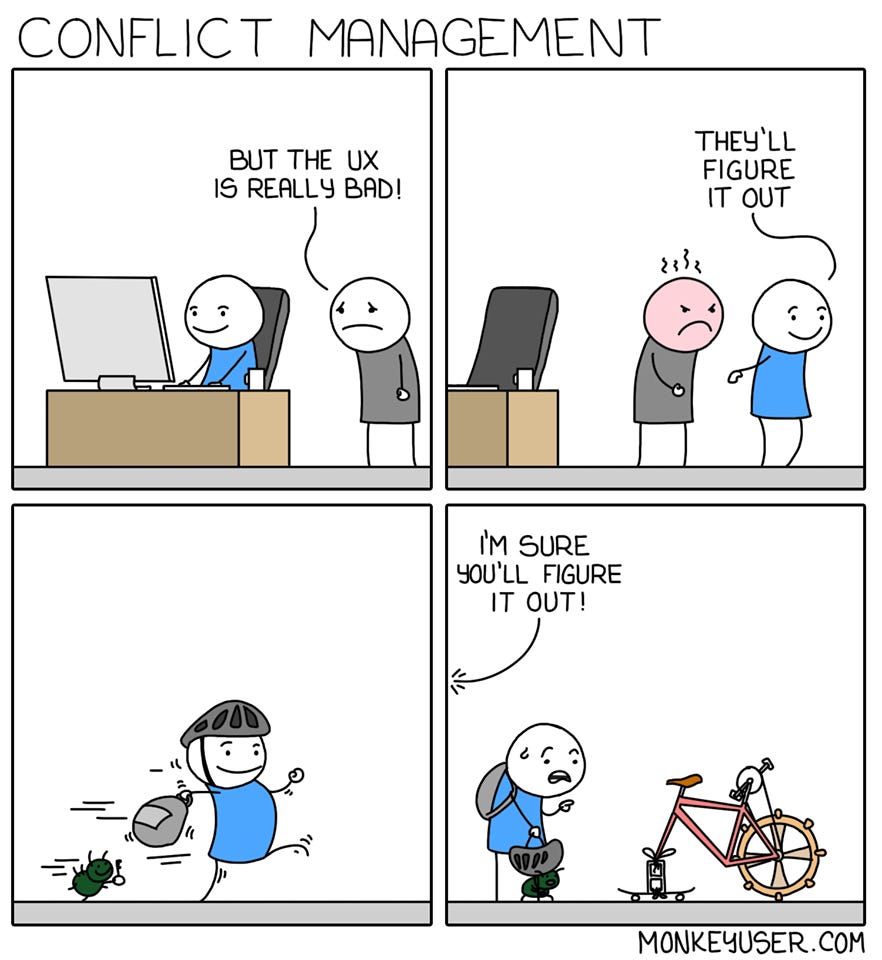
Off Chain Atomic Swaps - With protocols like Taro, we have the possibility of having multiple assets on Lightning, which can then be traded atomically off-chain. This is already possible on L2’s like Liquid, of course, but the advantage of doing this on Lightning is that there’s no federation that needs to be trusted. There is always the question of what the other asset is, and given that issued assets are by nature centralized, this does introduce some level of trust into the atomic swap, but the possibility is there to make something like a private exchange that operates non-custodially.
Making a Lightning Prism - Gigi came up with the concept last week and BitKarrot posts a demo using LNBits. Truly amazing how fast things are moving in this space. The prism lets you split payments with others, for example, to other people that you’re paying royalties or something to. The tool is pretty flexible in that portions can go to LNURLs, Lightning addresses or LNBits wallet IDs. This would seem like a great tool to create publications where there’s a fair split among the authors.
ZapRead - This is a site that looks like Stacker News and Reddit had a baby. Zaps are the main way of upvoting content and there are different communities that you can post to. It’s already got a lot of nice tools like threaded conversations and so on. I wish it were built on top of Nostr or had an open source server you could run as it’s a little too centralized right now for my liking, but the execution so far has been great. At the very least, this way of surfacing articles ought to have a lot better signal.
Economics, Engineering, Etc.
Why Banks Failed - Ron Paul makes the argument that interest rate hikes were not the problem, so much as the near zero interest rate policies of the previous 15 years. His analysis is that this is another central bank caused bust part of the cycle paying for the excesses of the artificial boom. He’s hopeful that this will be the final phase of the cancer of central banking, that the inevitable unrest will destroy the system once and for all. He’s been wanting this to happen for a long time, so there’s an element of wishful thinking there, but his economic analysis is correct.
Coinbase Wells Notice - Coinbase looks like they’re going to get sued by the SEC and it certainly looks like Operation Chokepoint 2.0 heating up. This is a company whose main competitive advantage is navigating the very difficult road of regulatory approval and if they’re getting threatened by the SEC, there’s little chance that anyone else will be able to. Brian Armstrong’s tour on Capitol Hill now makes a lot of sense as he probably saw a lot of this coming, perhaps through their interactions with regulatory authorities in the past year. That they’re going public with this stuff means they’re a bit desperate. We’ll see how this shakes out, but it doesn’t look good for them. It looks like proof-of-stake coins are in serious trouble generally as those are the things targeted by the SEC like Justin Sun.
Full Reserve Banking - Caitlin Long makes the case for full-reserve banking as her full-reserve bank keeps getting rejected by the Fed. The problem is that the Keynesian economists of the government don’t want a place where money doesn’t move. For them, such a money repository would give them less control over the supply of money and not be able to change the money in circulation through changing interest rates. What Caitlin is exposing is the fact that banking is a crooked enterprise. Unfortunately, the topic is not something most people care to understand. I really hope this current crisis creates some call for change publicly.
Quick Hits
Texas Protects Bitcoiners - Texas has a bill to specifically protect Bitcoiners.
Web Fingerprinting - Even without cookies, websites can track you. If you care about your privacy, turn on the settings that hide the info which fingerprints you on the browser!
White House doesn’t like Bitcoin - Interesting that they cite Bitcoin not moving to proof-of-stake as a reason for them not liking it. You wonder if there’s a conflict with the SEC in the background.
CBDCs = Hyperinflation - So says Mises.org because of the very quick expansion of money that will flow through the economy that much quicker.
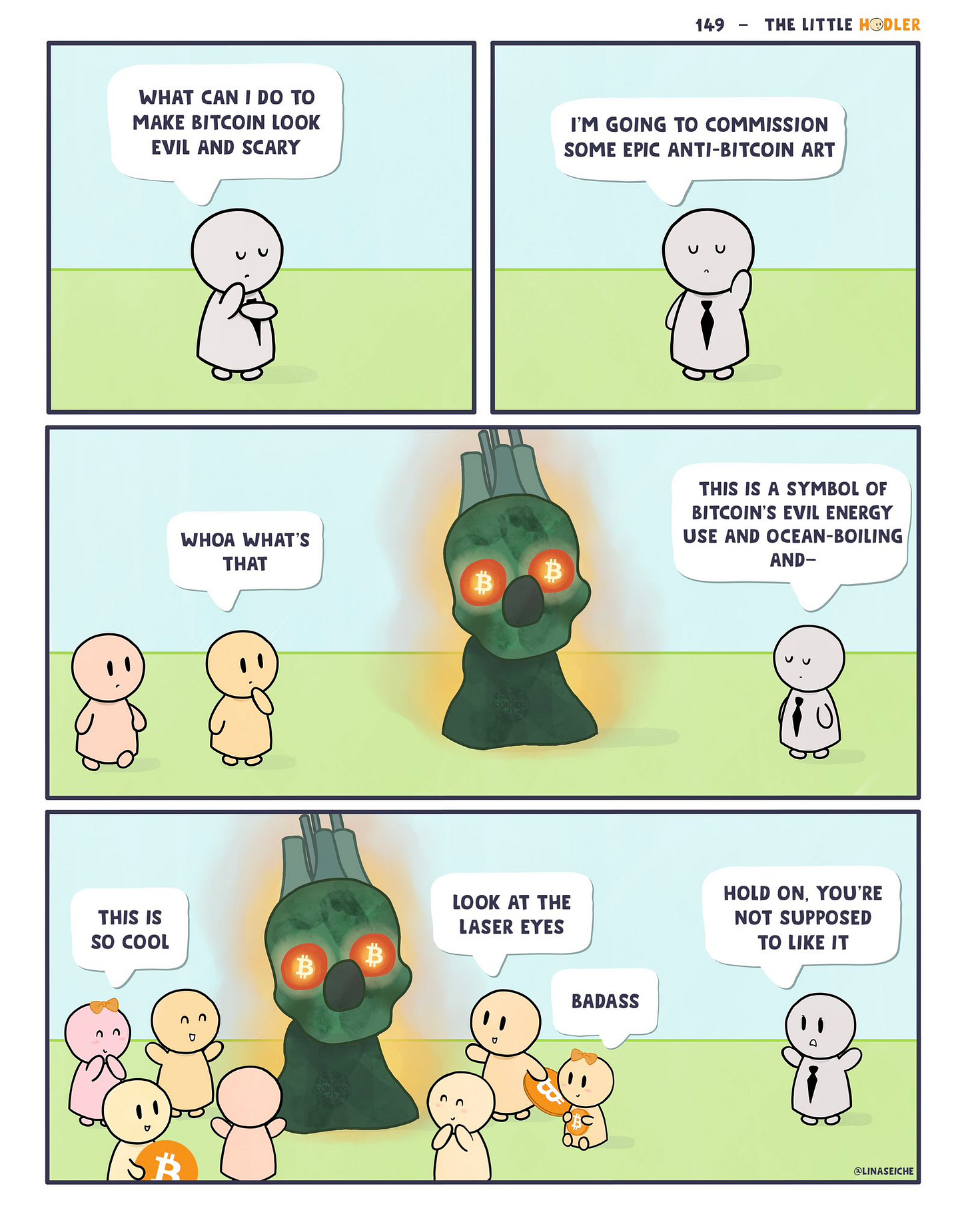
The Skull - Greenpeace commissioned art to make BTC scary and it quickly got co-opted by Bitcoiners.
Fiat delenda est.